
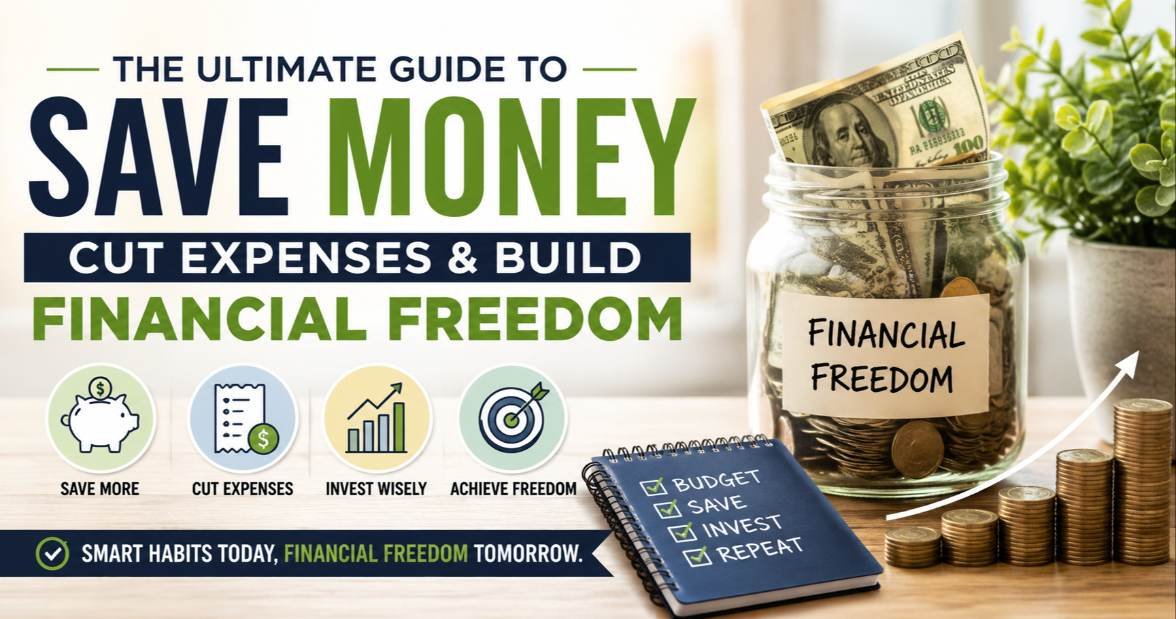
In a modern economic landscape filled with inflation, changing interest rates, and constant consumer temptation, learning how to save money is no longer just a nice goal—it is a critical life skill. Whether you want to build an emergency fund, pay off debt, buy a home, or invest for early retirement, understanding how to save money effectively forms the bedrock of every successful financial plan.
Unfortunately, standard advice like “stop buying coffee” misses the bigger picture. True financial health is not about extreme self-denial or living in deprivation. Learning how to save money means developing intentional habits, automating your savings processes, and managing your money so your capital works for you instead of slipping away through hidden costs.
This ultimate guide explores proven, practical, and highly actionable strategies showing you how to save money step by step.
What Is a Personal Loan? The Smart Way to Borrow in 2026
1. The Psychology Behind How to Save Money
Before changing your bank account balance, you must change your relationship with money.
       ┌──────────────────────────────────────────────────────────┐
       │             THE MINDFUL WEALTH CYCLE                    │
       └──────────────────────────────────────────────────────────┘
                                   │
                                   ▼
          ┌─────────────────────────────────────────────────┐
          │ 1. MINDSET SHIFT: Shift from Frugality to Intent │
          └─────────────────────────────────────────────────┘
                                   │
                                   ▼
          ┌─────────────────────────────────────────────────┐
          │ 2. RECOGNITION: Delay Instant Gratification     │
          └─────────────────────────────────────────────────┘
                                   │
                                   ▼
          ┌─────────────────────────────────────────────────┐
          │ 3. INTENTIONAL ACTION: Align Money with Values  │
          └─────────────────────────────────────────────────┘
Uncoupling Spending from Emotion
Modern marketing is engineered to trigger emotional impulse spending. Flash sales, target ads, and one-click checkouts tap into psychological shortcuts that convince us spending equals instant happiness.

When you study how to save money effectively, the first hurdle is separating emotional desire from utility. Money kept in reserves provides peace of mind, self-reliance, and long-term security—benefits far more valuable than short-term retail therapy.
Parkinson’s Law and Lifestyle Creep
Parkinson’s Law states that work expands to fill the time available for its completion. The financial equivalent is equally true: expenses naturally rise to match income.
When workers earn raises or bonuses, their spending habits frequently expand proportionally—a process known as lifestyle creep. A higher salary often goes into a larger apartment lease or a newer vehicle instead of growing wealth. Overcoming lifestyle creep requires deciding how to save money from future raises before that extra income arrives in your checking account.

Value-Based Spending
Learning how to save money does not mean cutting costs blindly across the board. Instead, practice value-based spending:
- Identify 2–3 spending categories that bring you true joy and utility (e.g., traveling, health, specialized education).
- Cut costs aggressively on non-essential categories that offer little long-term fulfillment (e.g., daily food delivery fees, unused streaming channels, brand-name groceries).
2. Auditing Your Expenses: The Foundation of Saving
You cannot optimize what you do not track. Before choosing budgeting models or investment platforms, conduct an honest audit of your current cash flow.
                     ┌──────────────────────────────┐
                     │   FINANCIAL AUDIT PROCESS    │
                     └──────────────┬───────────────┘
                                    │
           ┌────────────────────────┴────────────────────────┐
           ▼                                                 ▼
┌──────────────────────┐                          ┌──────────────────────┐
│  Cash Flow Audit     │                          │ Net Worth Baseline   │
│                      │                          │                      │
│ • Income streams     │                          │ • Total Assets       │
│ • Fixed expenses     │                          │ • Total Liabilities  │
│ • Variable costs     │                          │   (Debts)            │
└──────────────────────┘                          └──────────────────────┘
The 30-Day Expense Audit
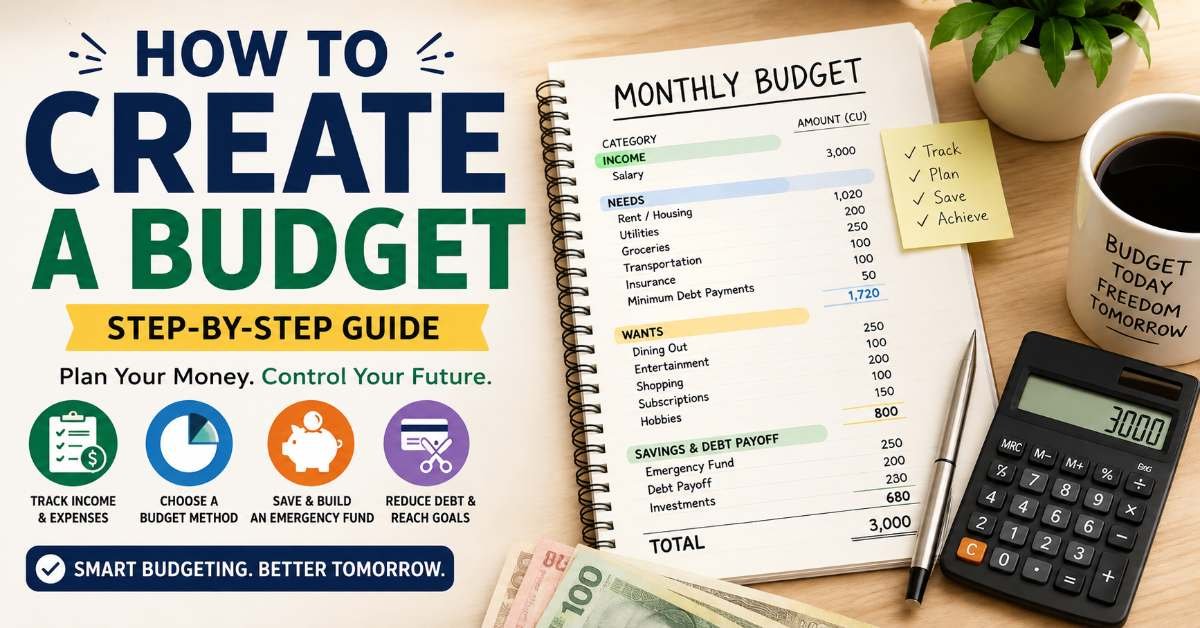
For 30 consecutive days, log every single purchase. You can streamline this process using popular budgeting tools like Mint Alternative – Credit Karma or YNAB (You Need A Budget). Group your outgoing transactions into distinct buckets:
- Fixed Needs: Rent/mortgage, utility bills, minimum loan payments, core insurance policies.
- Variable Needs: Basic groceries, medical out-of-pocket costs, routine transportation.
- Discretionary Wants: Dining out, entertainment, subscriptions, impulsive online purchases.
- Financial Goals: Savings transfers, investment accounts, extra principal debt payments.
Calculating Your True Hourly Rate
To curb unnecessary spending, frame expenses in terms of working hours instead of raw numbers.
\text{True Hourly Rate} = \frac{\text{Net Monthly Take-Home Pay}}{\text{Total Monthly Hours Dedicated to Work}}
(Remember to count commute time, job preparation, and unwinding hours in your total work time.)
Example: If your net monthly income is $4,000 and you devote 200 total hours per month to work and commuting, your true rate is $20/hour. Buying a $200 designer jacket requires 10 full hours of labor. Seeing expenses through this lens changes purchasing behavior fast.
3. Best Budgeting Frameworks for Saving Money
No single budgeting framework fits every personal financial situation. Scroll horizontally to review and choose the model that best matches your daily routine:
┌─────────────────────────┬──────────────────────────────┬──────────────────────────────┬───────────────────────────────────────────┐
│ Budgeting Framework     │ Target Audience              │ Core Focus                   │ Main Benefit                              │
├─────────────────────────┼──────────────────────────────┼──────────────────────────────┼───────────────────────────────────────────┤
│ 50/30/20 Framework      │ Beginners & General Earners  │ Balanced Allocation          │ Simple, easy-to-follow rules              │
├─────────────────────────┼──────────────────────────────┼──────────────────────────────┼───────────────────────────────────────────┤
│ Zero-Based Budgeting    │ Detail-Oriented Planners     │ Total Capital Control        │ Gives every single dollar a job           │
├─────────────────────────┼──────────────────────────────┼──────────────────────────────┼───────────────────────────────────────────┤
│ Pay-Yourself-First      │ Busy High-Earners            │ Automated Savings            │ Guarantees savings occur before spending │
├─────────────────────────┼──────────────────────────────┼──────────────────────────────┼───────────────────────────────────────────┤
│ Envelope System         │ Over-spenders & Impulse Buyers│ Visual Cash Limits           │ Prevents overspending on cash categories  │
└─────────────────────────┴──────────────────────────────┴──────────────────────────────┴───────────────────────────────────────────┘
                       50/30/20 BUDGET ALLOCATION
                      ┌──────────────────────────┐
                      │    Post-Tax Income       │
                      └────────────┬─────────────┘
                                   │
      ┌────────────────────────────┼────────────────────────────┐
      ▼                            ▼                            ▼
┌───────────┐                ┌───────────┐                ┌───────────┐
│ 50% NEEDS │                │ 30% WANTS │                │ 20% SAVES │
│ Rent      │                │ Dining    │                │ Reserve   │
│ Utilities │                │ Hobbies   │                │ Investing │
│ Groceries │                │ Travel    │                │ Debt Pay  │
└───────────┘                └───────────┘                └───────────┘
The 50/30/20 Rule
Popularized by U.S. Senator Elizabeth Warren in her book All Your Worth, this system splits post-tax income into three distinct buckets:
- 50% Needs: Non-negotiable essentials.
- 30% Wants: Lifestyle upgrades and flexible personal spends.
- 20% Savings & Debt Acceleration: Building wealth reserves, investing, and paying off high-interest balances.
Zero-Based Budgeting (ZBB)
Under Zero-Based Budgeting, your total income minus planned expenses and savings must equal zero every month (\text{Income} – \text{Expenses} = 0). At the start of the month, every unit of income is explicitly assigned to a task—whether paying the electric bill or funding a brokerage account.
Pay Yourself First (Reverse Budgeting)
If traditional budgeting feels too tedious, flip the process:
- Decide on your primary savings goal (e.g., 20% of your income).
- Automatically transfer that 20% into savings or investments on payday.
- Spend the remaining 80% on bills and general living costs guilt-free.
4. Tactical Strategies on How to Save Money Daily
Achieving large savings targets relies on small, repeatable daily habits.
┌────────────────────────────────────────────────────────────────────────┐
┌────────────────────────────────────────────────────────────────────────┐
│                        TACTICAL EXPENSE CUTS                           │
├────────────────────────────────┬───────────────────────────────────────┤
│ Category                       │ High-Impact Savings Tactics           │
├────────────────────────────────┼───────────────────────────────────────┤
│ Fixed Living Costs             │ • Renegotiate home insurance policies │
│                                │ • Refinance high-rate borrowing       │
│                                │ • Use smart home thermostats          │
├────────────────────────────────┼───────────────────────────────────────┤
│ Food & Lifestyle               │ • Meal plan around sales & staples    │
│                                │ • Use the 72-Hour Rule for buying     │
│                                │ • Audit subscription accounts         │
└────────────────────────────────┴───────────────────────────────────────┘
Housing & Energy Optimizations
- Utility Audits: Install smart devices like a Nest Thermostat to optimize temperature schedules, turn down water heater defaults slightly, and switch exclusively to energy-efficient LED bulbs.
- Insurance Policies: Request fresh quotes on home, auto, and renter policies annually. Compare quotes through aggregator tools like PolicyBazaar or NerdWallet to unlock major discounts.
Food & Grocery Savings
Food costs represent one of the most flexible budget categories, making them prime territory for cutting expenses.
- Meal Plan Around Discounts: Design weekly meals around seasonal items and store discounts rather than relying on last-minute food delivery orders.
- Avoid Convenience Fees: Pre-sliced fruits, single-serve snacks, and packaged drinks carry huge markups. Buy whole foods in bulk and slice or portion them yourself.
- The Grocery List Rule: Always bring a strict list into the store, and never shop on an empty stomach.
Stopping Subscription Leakage
- Audit recurring card payments across all accounts twice a year using tools like Rocket Money to locate forgotten trials.
- Cancel unused streaming channels, gym memberships, and digital applications. Consider subscribing to one streaming provider at a time, switching only when you run out of shows to watch.
Eliminating Impulse Buys
- The 72-Hour Rule: When you want a non-essential item, force a mandatory 72-hour pause. In most instances, the initial urge will pass.
- Clear Stored Payment Details: Remove stored card numbers from digital stores and browsers. Adding manual effort to the checkout process cuts down on impulsive orders.
5. Strategic Debt Reduction: Clearing Cash Flow
Carrying high-interest debt is a massive barrier when learning how to save money. Servicing heavy interest rates erodes your monthly capacity to accumulate wealth.
                  ┌─────────────────────────────────┐
                  │   DEBT REPAYMENT STRATEGIES     │
                  └────────────────┬────────────────┘
                                   │
         ┌─────────────────────────┴─────────────────────────┐
         ▼                                                   ▼
┌─────────────────────────────────┐         ┌─────────────────────────────────┐
│    THE AVALANCHE METHOD         │         │     THE SNOWBALL METHOD         │
│                                 │         │                                 │
│ • Focus: Highest Interest Rate  │         │ • Focus: Lowest Total Balance   │
│ • Goal: Mathematical Efficiency │         │ • Goal: Quick Psychological Wins│
│ • Saves most money on interest  │         │ • Builds early momentum         │
└─────────────────────────────────┘         └─────────────────────────────────┘
The Debt Avalanche Method (Best for Math)
- Order all non-mortgage debt balances from the highest interest rate down to the lowest.
- Pay minimum required payments across every balance.
- Direct all spare funds toward the debt carrying the highest interest rate.
- Once cleared, apply that full monthly allocation to the next highest rate.
Why it works: Minimizes total interest expenses over time, maximizing math efficiency.
The Debt Snowball Method (Best for Motivation)
- Order all debts from the smallest total dollar balance to the largest.
- Pay minimums across all accounts.
- Direct extra cash toward the smallest balance until it hits zero.
- Celebrate the win and apply that full payment toward the next smallest balance.
Why it works: Builds fast psychological momentum, helping you stick with the plan.
6. Building Financial Infrastructure: Emergency Funds & HYSAs
Where you store your capital matters as much as how much you save. Leaving money in regular checking accounts exposes it to impulse spending and inflation risk.
                 BUILDING YOUR WEALTH INFRASTRUCTURE
                 ┌─────────────────────────────────┐
                 │     Primary Monthly Income      │
                 └────────────────┬────────────────┘
                                  │
                                  ▼
                 ┌─────────────────────────────────┐
                 │    Checking / Operating AC      │
                 │    (1 Month Buffer Funds)       │
                 └────────────────┬────────────────┘
                                  │
                                  ▼
                 ┌─────────────────────────────────┐
                 │    High-Yield Savings (HYSA)    │
                 │    (3-6 Month Emergency Fund)   │
                 └────────────────┬────────────────┘
                                  │
                                  ▼
                 ┌─────────────────────────────────┐
                 │    Investment Engine (SIPs)     │
                 │    (Index / Retirement Funds)   │
                 └─────────────────────────────────┘
Building an Emergency Reserve
An emergency reserve is cash kept safe to protect you against sudden financial surprises, such as medical bills, emergency car repairs, or income interruption. You can read guidance on consumer emergency funds from regulatory sources like the CFPB (Consumer Financial Protection Bureau).
- Target Reserve Size: 3 to 6 months of absolute core living costs.
- Placement: Keep emergency funds in separate, liquid accounts away from everyday checking balances.
High-Yield Savings Accounts (HYSA)
Traditional checking and basic savings accounts often pay near-zero returns. Transferring emergency reserves and short-term savings into a High-Yield Savings Account (HYSA) allows your balance to earn competitive interest completely risk-free. Check updated rate comparisons on financial portals like Bankrate or Investopedia.
7. Automating Your Wealth: Set and Forget
Relying purely on daily willpower to save money leads to erratic results. Automating your financial transfers removes emotional temptation completely.
                        AUTOMATED CASH FLOW ENGINE
                        ┌────────────────────────┐
                        │    Payday Inflow       │
                        └───────────┬────────────┘
                                    │
         ┌──────────────────────────┼──────────────────────────┐
         ▼                          ▼                          ▼
┌─────────────────┐        ┌─────────────────┐        ┌─────────────────┐
│ Direct Deposit: │        │ Auto-Transfer:  │        │ Auto-Investment:│
│ Checking Account│───────►│ Savings / HYSA  │───────►│ Index/Retirement│
│ (Bills & Living)│        │ (Emergency)     │        │ (Long-Term)     │
└─────────────────┘        └─────────────────┘        └─────────────────┘
Designing Your Automated Cash Flow Setup
- Direct Deposit Splitting: Ask payroll to split your paycheck automatically. Have a set portion deposit directly into savings, sending the remainder to checking.
- Scheduled Standing Transfers: If paycheck splitting isn’t an option, set up automatic monthly transfers from checking to savings for the day after payday.
- Automated Investment Transfers: Set up recurring transfers into low-cost index funds or retirement plans.
8. Income Acceleration: Complementing Your Savings
Reducing expenses has a limit; you cannot cut expenses past zero. Expanding your earnings potential, however, has no limit. The fastest way to build financial health is pairing spending discipline with income growth.
                       INCOME EXPANSION ENGINE
                       ┌──────────────────────┐
                       │ Earned Income Base   │
                       └──────────┬───────────┘
                                  │
       ┌──────────────────────────┴──────────────────────────┐
       ▼                                                     ▼
┌──────────────────────────┐              ┌──────────────────────────┐
│ Primary Career Growth    │              │ Side Ventures / Upskill  │
│                          │              │                          │
│ • Industry certifications│              │ • High-value freelancing │
│ • High-stakes projects   │              │ • Monetizable skills     │
│ • Strategic negotiation  │              │ • Digital assets         │
└──────────────────────────┘              └──────────────────────────┘
Career Skill Growth & Salary Negotiations
- Build In-Demand Skills: Focus on learning specialized skills via platforms like Coursera or LinkedIn Learning (analytics, technical certifications, project coordination, sales leadership) that directly increase your value in the labor market.
- Track Results: Document key accomplishments, team savings, and revenue improvements to strengthen your case during promotion reviews.
Creating Secondary Income Streams
- Freelancing & Consulting: Offer specialized skills—such as writing, coding, graphic design, or accounting—to remote clients on marketplaces like Upwork or Fiverr.
- Monetizing Existing Assets: Rent out extra storage space, specialized gear, or unused vehicles.
9. Common Mistakes to Avoid When Saving Money
Even disciplined savers can fall into avoidable financial traps.
┌────────────────────────────────────────────────────────────────────────┐
┌────────────────────────────────────────────────────────────────────────┐
│                        COMMON SAVINGS PITFALLS                         │
├────────────────────────────────┬───────────────────────────────────────┤
│ Mistake                        │ Prevention & Correction Strategy      │
├────────────────────────────────┼───────────────────────────────────────┤
│ Extreme Frugality Burnout      │ Build flexible fun money into budget  │
│ Risky Emergency Reserves       │ Keep liquid capital in safe accounts  │
│ Buying Just Because of "Sales" │ Evaluate total cost, not the discount │
│ Holding Too Much Idle Cash     │ Balance emergency cash with investing │
└────────────────────────────────┴───────────────────────────────────────┘
Extreme Frugality Burnout
Restricting your budget too harshly often causes fatigue, leading to spending sprees later. Always include a realistic personal allowance for entertainment and hobbies.
Exposing Emergency Funds to Risk
Investing your core emergency funds in volatile assets (like individual stocks or speculative assets) creates huge risk when you need quick cash during market dips. Keep emergency money safe and liquid.
The “Discount” Trap
Buying a $100 product discounted to $70 doesn’t save you $30—it costs you $70. Never buy items you don’t need simply because they are on sale.
Leaving Excess Cash Idle
Keeping cash reserves far beyond your emergency target causes your money to lose value to inflation. Transition extra long-term capital into diversified index investments.
10. Turning Savings into Wealth Through Investing
Knowing how to save money creates your financial safety cushion, but investing creates long-term wealth. Once you establish an emergency reserve and clear high-interest loans, focus on growing your surplus cash.
                     THE WEALTH MULTIPLICATION LADDER
                     ┌──────────────────────────────┐
                     │ 4. Long-Term Real Assets     │
                     ├──────────────────────────────┤
                     │ 3. Broad Equity Index Funds  │
                     ├──────────────────────────────┤
                     │ 2. High-Yield Savings Account│
                     ├──────────────────────────────┤
                     │ 1. High-Interest Debt Payoff │
                     └──────────────────────────────┘
The Power of Compound Interest
Compound interest occurs when earnings on your principal balance generate their own earnings over time. The mathematical formula for compound interest is:
A = P \left(1 + \frac{r}{n}\right)^{nt}
Where:
- A = Final account balance
- P = Principal starting balance
- r = Annual interest rate (decimal)
- n = Compounding frequency per year
- t = Total time in years
Starting early expands the compounding timeline dramatically.
                  THE IMPACT OF TIME ON COMPOUNDING
   $800,000 ─────────┐
             │                                              /
   $600,000 ─┤                                             /
             │                                            /
   $400,000 ─┤                                          /
             │                                     /----
   $200,000 ─┤                            /--------
             │                   /--------
         $0 ─┴──────────┬──────────┬──────────┬──────────┬──────────
                       Year 0    Year 10    Year 20    Year 30    Year 40
Low-Cost Index Funds
For long-term growth, broad low-cost index funds through providers like Vanguard or BlackRock iShares provide instant diversification across entire industries, capturing general market returns with minimal fees.
11. Your 30-Day Action Plan for Saving Money
Use this step-by-step checklist to put these ideas into practice today.
                            30-DAY ACTION ROADMAP
┌────────────────────────────────────────────────────────────────────────┐
│  WEEK 1: THE AUDIT                                                     │
│  [ ] Collect past bank and card statements.                            │
│  [ ] Calculate total net monthly income.                               │
│  [ ] List every fixed and flexible expense.                            │
│  [ ] Determine your True Hourly Rate.                                  │
├────────────────────────────────────────────────────────────────────────┤
│  WEEK 2: INFRASTRUCTURE & FRAMEWORK                                    │
│  [ ] Pick a system (50/30/20 or Zero-Based).                           │
│  [ ] Open a High-Yield Savings Account (HYSA).                         │
│  [ ] Set up automated transfers on payday.                             │
├────────────────────────────────────────────────────────────────────────┤
│  WEEK 3: CUTTING LEAKS & DEBT STRATEGY                                 │
│  [ ] Cancel unused subscription accounts.                              │
│  [ ] Renegotiate recurring utility or insurance plans.                 │
│  [ ] Choose a debt plan (Avalanche or Snowball).                       │
│  [ ] Apply the 72-Hour Rule to non-essentials.                         │
├────────────────────────────────────────────────────────────────────────┤
│  WEEK 4: EXPANSION & AUTOMATION                                        │
│  [ ] Set a clear emergency reserve target.                             │
│  [ ] Configure recurring investment contributions.                     │
│  [ ] Pick one career skill to develop for higher income.               │
└────────────────────────────────────────────────────────────────────────┘
Mastering how to save money is a long-term journey built on small, intentional decisions. By tracking your cash flow, automating transfers, eliminating bad debt, and investing your surplus, you take total ownership of your financial destiny.







1 thought on “How to Save Money: 25 Smart Ways to Cut Expenses & Build Wealth”
Comments are closed.